


⚡ BREAKING NEWS
● BREAKING Swalwell Suspends Gubernatorial Bid Amid Allegations, Donor Exit Swalwell Faces New Allegations Over Nanny's Immigration Status Appeals Court Allows Trump Administration Access to Social Security Data US Arrests Iranian Nationals Linked to Regime Officials <p><strong>Fairside News is evolving.</strong> As we approach our one-year anniversary, we’re expanding into real-time breaking news powered by global RSS feeds, while enhancing our platform with richer visuals—now featured in nearly 80% of articles—and improved AI-driven workflows.</p> <p>What began as timely reporting has grown into a faster, more dynamic news source, with readership approaching 700,000 article views. Stay informed with clear, fact-based coverage and perspectives from both sides of the aisle.</p>
Sponsor Advertisement
Stone Intervention Halts Gabbard Firing Over Iran Stance
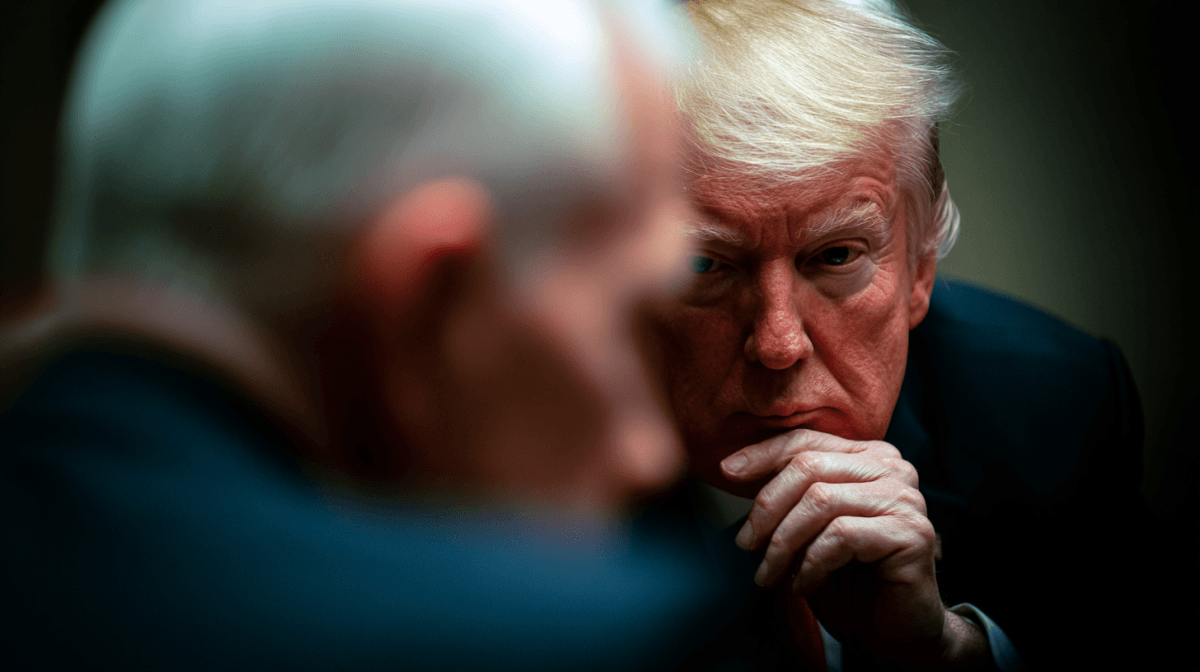
AI-generated image for: Stone Intervention Halts Gabbard Firing Over Iran Stance

Stone Intervention Halts Gabbard Firing Over Iran Stance

Director of National Intelligence Tulsi Gabbard reportedly faced near-dismissal by President Donald Trump due to disagreements over Iran policy, a move reportedly averted by intervention from long-time advisor Roger Stone.

President Donald Trump reportedly came "dangerously close" to dismissing Director of National Intelligence (DNI) Tulsi Gabbard, following escalating frustrations over her stance on the Iran conflict and her handling of a deputy's resignation. The near-firing was reportedly averted by a last-minute intervention from Roger Stone, a long-time advisor to President Trump, according to recent reports. The internal conflict underscores the significant foreign policy divisions within the administration that continue to surface publicly.

"Fortunately, I acted in time." — Roger Stone, Longtime Trump Adviser

Sources indicate that President Trump's frustration with Gabbard intensified after her congressional testimony, during which she reportedly did not fully endorse his administration's approach to Iran. Behind closed doors, President Trump allegedly "scolded" Gabbard and questioned her loyalty to his broader agenda. Accounts from officials present during these exchanges varied, with some describing the president's tone as harsh, while others suggested it was more sarcastic than overtly aggressive. Regardless of the exact tenor, the situation reportedly escalated rapidly.

President Trump reportedly went as far as polling members of his cabinet on the potential removal of Gabbard from her DNI position. At one point, a decision to dismiss her appeared imminent. It was at this critical juncture that Roger Stone, who has advised President Trump since 1979, reportedly intervened. An X post by Stone, stating, "Fortunately, I acted in time," signaled his direct involvement in preventing the dismissal.

A source close to President Trump was quoted saying, "Roger sealed the deal. He saved Tulsi," describing Stone's decisive intervention. Stone reportedly presented a detailed argument for retaining Gabbard. He asserted that Gabbard had maintained her loyalty, managed her congressional testimony with discipline, and had not publicly broken with the president's directives.

More significantly, Stone reportedly cautioned President Trump about the potential political repercussions of firing Gabbard. He argued that such a move could trigger a considerable media backlash and elevate Gabbard's public profile, potentially turning her into a "martyr" among certain segments of the MAGA base, particularly those already expressing unease about the ongoing Iran conflict. Stone further warned that dismissing Gabbard could inadvertently boost her credibility and even position her as a future presidential contender. These warnings reportedly resonated with President Trump, who subsequently backed away from the decision, despite his lingering frustration.

The tensions between President Trump and Gabbard were not solely confined to the Iran issue. President Trump was also reportedly displeased with Gabbard's handling of her deputy, Joe Kent. Kent had resigned after accusing Israel of misleading the administration regarding the necessity of war. Gabbard reportedly further irritated President Trump by declining to condemn Kent during her testimony. Stone, however, reportedly reassured President Trump that Gabbard had no intentions of resigning and did not warrant dismissal.

In the aftermath of these events, the White House has publicly downplayed the situation. Officials have stated that President Trump believes Gabbard is performing an "excellent job" and remains an integral member of his national security team. Gabbard's office has echoed this sentiment, affirming her commitment to advancing the president's agenda.

However, the near-dismissal reveals deeper systemic pressures within the administration. As the Iran conflict continues to generate internal debate and division, even among President Trump's closest allies, the underlying tensions within his administration appear to be reaching a critical point. The incident highlights the complex interplay of policy, loyalty, and political strategy within the highest levels of government, particularly concerning sensitive foreign policy matters. The influence of long-standing advisors like Roger Stone in navigating these internal dynamics underscores the multifaceted nature of presidential decision-making.


Advertisement

The Flipside: Different Perspectives

Progressive View

The reported near-dismissal of Director of National Intelligence Tulsi Gabbard raises significant concerns from a progressive viewpoint regarding the nature of dissent, the influence of unelected advisors, and the potential for an overly centralized and aggressive foreign policy. The idea that a top intelligence official could face termination for not fully aligning with the President's stance on a potential war, such as with Iran, suggests a worrying intolerance for independent thought and expert analysis within the national security apparatus. Such an environment can stifle critical perspectives necessary for sound decision-making and potentially lead to disastrous outcomes.

The intervention by Roger Stone, an advisor with a controversial history, to prevent the firing based on political calculations rather than substantive policy differences, underscores the risks of prioritizing political optics over genuine national security interests. It highlights how personal loyalty and political maneuvering can override the impartial advice expected from intelligence professionals. Progressives advocate for a foreign policy rooted in diplomacy, de-escalation, and international cooperation, rather than military confrontation. The reported pressure on Gabbard to conform to a hawkish stance on Iran, coupled with the White House's downplaying of the incident, suggests a system where dissent is punished, and critical voices are marginalized, potentially pushing the nation towards conflict without adequate public or governmental debate. This situation emphasizes the need for robust checks and balances and a transparent, accountable national security leadership that values diverse perspectives.

Conservative View

The reported near-dismissal of Director of National Intelligence Tulsi Gabbard and its subsequent prevention by Roger Stone highlight the critical importance of a unified national security posture under presidential leadership. From a conservative perspective, the President, as Commander-in-Chief, holds the ultimate authority and responsibility for foreign policy and national security decisions. Loyalty and consistent support from key intelligence officials are paramount to effectively execute the administration's agenda, especially on sensitive issues like the Iran conflict. Any perceived deviation or lack of full endorsement can be seen as undermining the President's ability to act decisively on the global stage, potentially signaling weakness to adversaries.

The intervention by Roger Stone, a trusted advisor, demonstrates the vital role such individuals play in offering strategic counsel, not just on policy but also on the political ramifications of personnel decisions. Stone's argument regarding potential media backlash and the risk of creating a "martyr" speaks to a pragmatic conservative understanding of public perception and political strategy. While internal debate is healthy, the ultimate goal is effective governance and the projection of strength. Preserving stability within the national security apparatus, even amidst disagreements, can be prioritized to avoid unnecessary political distractions that could impede the administration's objectives. This incident underscores the President's prerogative to assemble a team that aligns with his vision, while also acknowledging the value of experienced counsel in navigating complex political landscapes.

Common Ground

Despite differing perspectives on the specifics of the incident involving Director Tulsi Gabbard and President Trump, there are areas of common ground regarding the functioning of government and national security. Both conservatives and progressives can agree on the importance of effective national security leadership that protects the country's interests. There is a shared understanding that strong, well-informed decision-making is crucial, particularly when dealing with complex international relations and potential conflicts.

Furthermore, the value of robust internal debate and diverse perspectives within an administration's national security team is generally recognized across the political spectrum. While loyalty to the President's agenda is often expected, the ability for intelligence officials to provide candid, unvarnished assessments—even if they challenge prevailing views—is essential for avoiding missteps and making the best possible decisions. Both sides can also acknowledge the delicate balance between maintaining a unified front on foreign policy and allowing for the necessary intellectual freedom that leads to comprehensive strategy. The role of trusted advisors, while sometimes controversial, is a consistent feature of presidential administrations, demonstrating a shared understanding that presidents rely on a circle of counsel to navigate complex political and policy challenges. Ultimately, fostering stability and preventing unnecessary conflict while safeguarding national security remains a bipartisan goal.